November 11, 2026
Pinkuylluna: The Ancient Inca Storehouses of Ollantaytambo
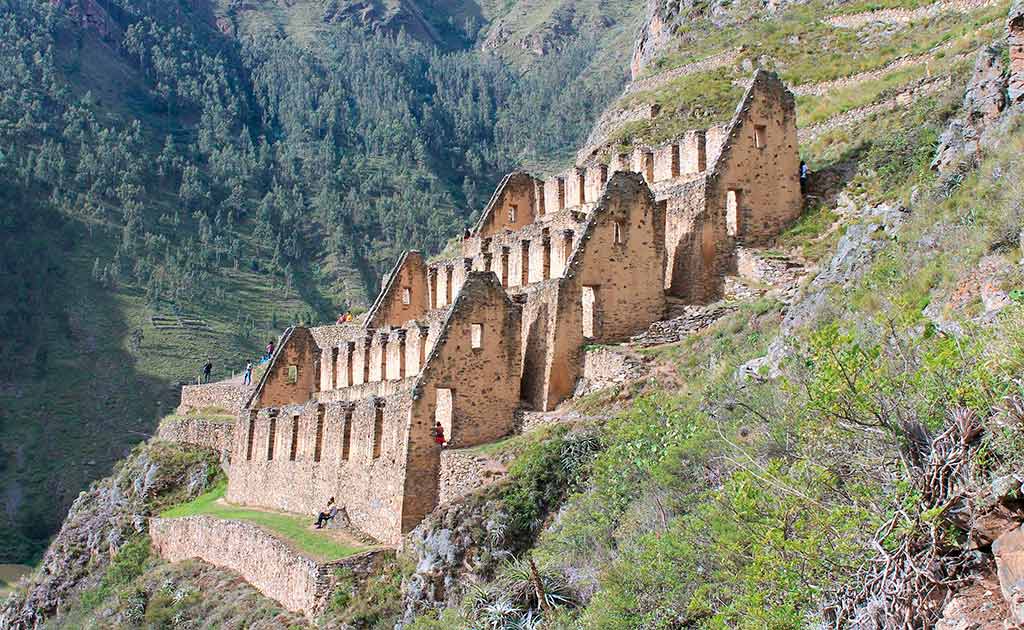
Pinkuylluna is an Inca archaeological site located in the mountains of Ollantaytambo, known for its stone structures, ancient storehouses, and spectacular views of the town and the Sacred Valley. Unlike the Ollantaytambo fortress, it is a less crowded attraction that can be reached via an uphill hike. Visitors can learn more about the engineering and economic organization of the Inca Empire while enjoying a different perspective of the landscape.
Pinkuylluna
- Where is Pinkuylluna located?
- What are the ancient Inca storehouses of Pinkuylluna?
- What were Inca colcas used for?
- What can you see at Pinkuylluna?
- How do you get to Pinkuylluna from Ollantaytambo?
- How much time do you need to visit Pinkuylluna?
- Tips for visiting Pinkuylluna
Where is Pinkuylluna located?
Pinkuylluna is located on a mountain opposite the Ollantaytambo archaeological site, in the province of Urubamba, Cusco. Its structures are spread across a hillside overlooking the town, its streets dating back to Inca times, agricultural fields, and the fortress on the other side of the valley.
Reaching the site requires an uphill hike along a steep trail, offering the chance to get closer to the ancient structures and enjoy the scenery from different elevations. Unlike other attractions in the area, Pinkuylluna receives fewer visitors, making it a great option for those looking to explore a quieter place and discover another part of the Inca legacy.
What are the ancient Inca storehouses of Pinkuylluna?
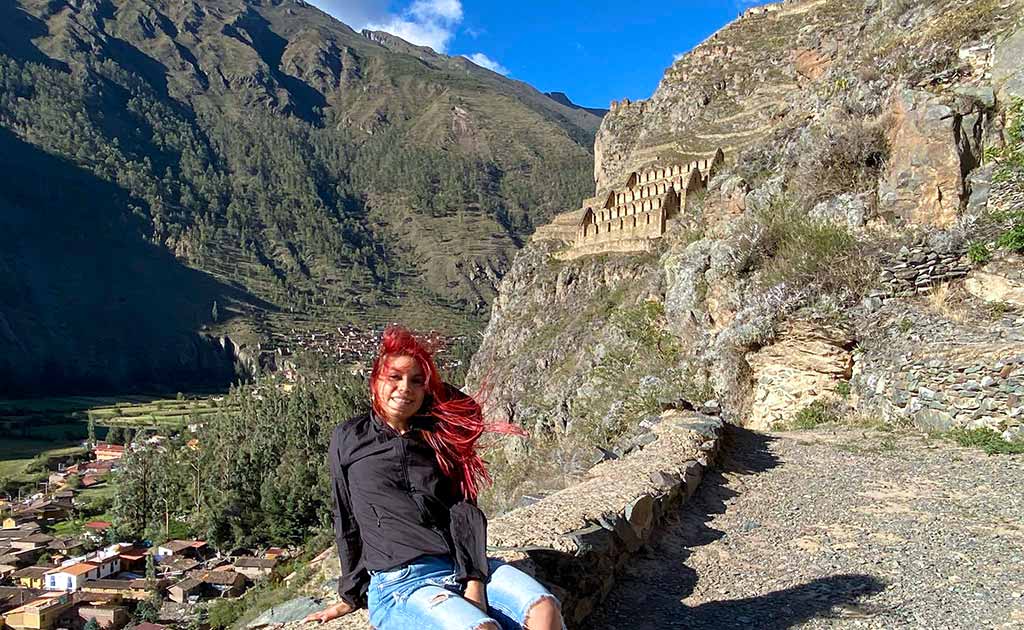
Pinkuylluna is known for its stone structures built into the mountainside, known as colcas or Inca storehouses, which were used to store food and other resources. Their elevated location took advantage of the area’s natural conditions, while openings and ventilation spaces helped preserve the stored goods.
The layout of these buildings demonstrates the Incas’ ability to adapt their construction techniques to challenging terrain and make the most of available natural resources. Although the exact purpose of each structure is not fully known, Pinkuylluna offers insight into the importance of storage in the economic organization of the Inca Empire.
What Were Inca Colcas Used For?
Colcas were structures used by the Incas to store food and other goods essential to the functioning of the state. They were part of a resource management system that made it possible to preserve supplies for different needs and circumstances.
Some of the products that could be stored in these facilities included:
- Corn: one of the main staple foods of Andean society.
- Potatoes and other tubers: essential food sources.
- Quinoa and other grains: important components of the local diet.
- Chuño and other dehydrated foods: products that could be preserved for extended periods.
- Other resources: depending on the characteristics and needs of each storage facility.
Stored products were used to supply local populations, meet military and administrative needs, and prepare for periods of scarcity. These storehouses were part of an Inca distribution network that made use of the road system and adapted its structures to the mountainous landscape.
What Can You See at Pinkuylluna?
A visit to Pinkuylluna combines Inca architecture, mountain scenery, and panoramic views of Ollantaytambo. Although the site is not as extensive as the main fortress, it offers several interesting features along the way.
The Ancient Inca Storehouses
The main attraction is the collection of stone structures built into the mountainside. Their openings, layout, and design offer a glimpse into some of the storage facilities used during the Inca period.
Panoramic Views of Ollantaytambo
As you explore Pinkuylluna, you can enjoy panoramic views of the town of Ollantaytambo, its streets, agricultural fields, and archaeological fortress, offering an elevated perspective of the surrounding landscape.
Architecture Adapted to the Mountainside
The structures at Pinkuylluna show how the Incas made use of the mountain slope to build on challenging terrain, integrating their architecture with the natural surroundings and making the most of the available space.
Scenery of the Sacred Valley
During the climb, you can also admire the mountains surrounding Ollantaytambo and part of the Sacred Valley landscape. It’s a rewarding experience for hiking and photography enthusiasts.
How to Get to Pinkuylluna from Ollantaytambo
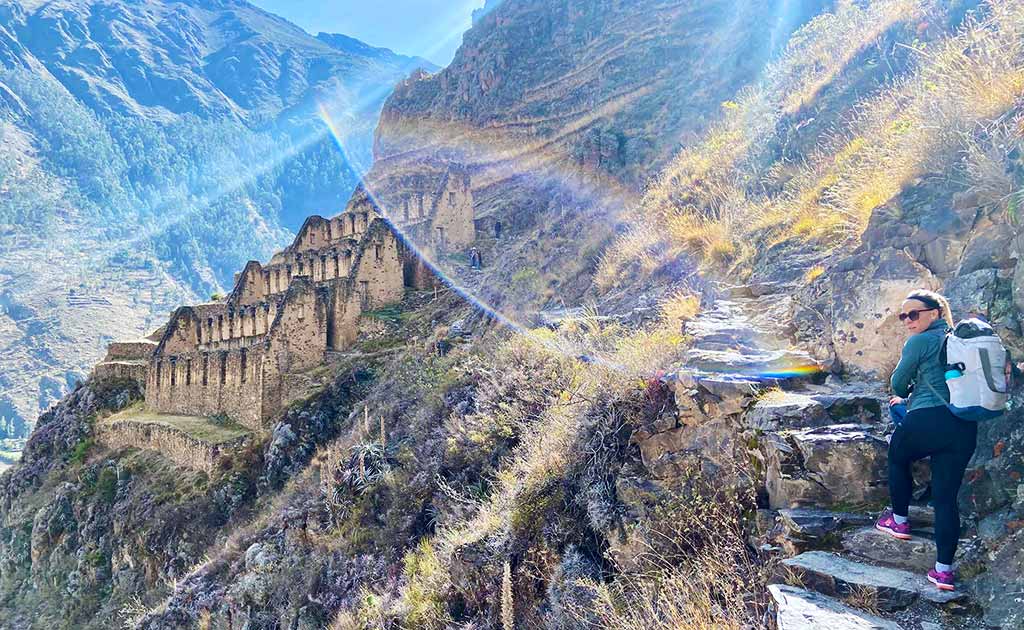
The most common way to reach Pinkuylluna is on foot from the town of Ollantaytambo. You don’t need to take a vehicle to reach the trailhead, as the entrance is located within the town itself.
You can follow these steps to complete the hike:
- Get to the town of Ollantaytambo: You can travel from Cusco by tourist transport, public transportation, or private vehicle.
- Find the trail entrance: From the town center, head toward the uphill path that leads to the Pinkuylluna structures.
- Start the hike: The trail is steep and includes sections with stairs and stone pathways.
- Explore the archaeological site: Once you reach the site, you can see the ancient storehouses and enjoy views of the valley.
- Return to the town: Take care when making your way downhill, especially along the steepest sections.
If you’re planning a visit to Ollantaytambo from Cusco, you can include Pinkuylluna as an additional activity in your Sacred Valley itinerary.
How Long Does It Take to Visit Pinkuylluna?
The time needed to visit Pinkuylluna depends on your hiking pace, trail conditions, and how much time you spend exploring the structures and enjoying the views. As a general guideline, it’s best to set aside one to two hours for the uphill hike, exploring the site, and returning to town.
If you’d also like to take photographs or visit other attractions, such as the archaeological fortress and traditional streets of Ollantaytambo, allow some extra time to explore each place without rushing.
Tips for Visiting Pinkuylluna
Before setting out on the hike, keep these recommendations in mind to make the most of your visit:
- Wear appropriate footwear: The trail has steep slopes and uneven surfaces, so hiking shoes or sturdy footwear with good grip are recommended.
- Bring water: The uphill hike can be challenging, especially during the hottest hours of the day.
- Avoid the strongest sunlight: Ideally, start your hike early in the morning or when the sun is less intense.
- Use sun protection: Wear a hat, apply sunscreen, and bring sunglasses.
- Watch your step: Some sections are steep and can become slippery when it rains.
- Respect the archaeological structures: Avoid climbing on the walls, removing stones, or leaving litter behind.
- Check access conditions: Before your visit, make sure the trail is open and check any current entry requirements.
Pinkuylluna is an interesting destination for visitors who enjoy Inca history and hiking. However, if you have difficulty walking on steep slopes, consider the physical effort required before setting out.
Frequently Asked Questions
1. What does Pinkuylluna mean?
Pinkuylluna is the name given to the mountain and the group of Inca structures located above the town of Ollantaytambo.
2. What were the Inca storehouses of Pinkuylluna?
They were structures known as colcas, used to store food and other resources. Their architecture made use of natural ventilation and the mountain’s environmental conditions to preserve stored goods.
3. Where is Pinkuylluna located?
Pinkuylluna is located on a mountain opposite the Ollantaytambo archaeological site, in the province of Urubamba, Cusco region, Peru.
4. How do you get to Pinkuylluna?
You can reach Pinkuylluna on foot from the town of Ollantaytambo by following an uphill trail that leads to the ancient Inca structures.
5. How long does the hike to Pinkuylluna take?
It’s best to set aside one to two hours for the uphill hike, exploring the site, and returning to town. The total time may vary depending on your hiking pace and trail conditions.
6. Is the hike to Pinkuylluna difficult?
The trail is steep, and some sections can be challenging. A reasonable level of physical fitness and footwear with good grip are recommended.
7. Can you visit Pinkuylluna and the Ollantaytambo fortress on the same day?
Yes, both attractions can be visited on the same day. It’s a good idea to plan your schedule so you have enough time to explore each site.
8. Is Pinkuylluna included in the Cusco Tourist Ticket?
You should not assume that admission to Pinkuylluna is included in the Cusco Tourist Ticket. It’s best to check the current access conditions and entry requirements before your visit.
9. What is the best time to visit Pinkuylluna?
Early morning is a good time to hike in cooler temperatures and enjoy the scenery. You can also visit in the afternoon, as long as you have enough daylight to make your way back.
10. Is Pinkuylluna worth visiting?
Yes, especially if you’re interested in Inca history, architecture, and hiking. Pinkuylluna offers the opportunity to explore ancient Inca storehouses and enjoy panoramic views of the town of Ollantaytambo.